Two formats can involve different buying questions
Oral probiotics and dental drops are often displayed beside each other because both are marketed for oral wellness. That does not make them interchangeable. One product may emphasize identified microorganisms and another a liquid botanical blend. Begin by recording the exact format and the use described on the current label.
A chewable or dissolving product may be more convenient if you prefer a measured unit without a dropper. A liquid may appeal if you dislike tablets and can follow its application instructions consistently. These are differences in routine, not evidence that one delivery method produces better clinical outcomes.
Our ProDentim, ProvaDent and Dentitox Pro reviews are useful together because they let you compare those practical choices. Read the individual formula sections before assuming all three belong to the same probiotic category.
What a probiotic label needs to tell you
The NIH explains that probiotic labels can identify microorganisms by genus, species and strain. That last level helps connect a product to relevant research. Do not treat two bacteria with a similar name as the same studied preparation. A blended total count also does not reveal the amount of each strain.
Ask when the claimed count applies: manufacturing date, shelf life or another defined point. Storage instructions also matter for how the product is intended to be kept. If a bottle does not specify the strain or the timing behind a count, record that as missing detail rather than supplying an answer from another website.
To compare two products, create a table with strain identity, disclosed amount, form, servings and the research actually linked. A large microorganism count by itself does not tell you which preparation matches a specific study.
How to evaluate a liquid blend
For drops, check the ingredients, serving size and route of application. The words oral drops can describe different usage instructions. Do not infer that a product should be swallowed, rubbed onto gums or used as a rinse without reading the actual label. The use instructions are part of the specification.
Ingredient names tell you what to investigate, but the amount and concentration determine what can be compared. A familiar plant extract in an undisclosed mixture cannot be matched confidently to a study using a quantified preparation. A sweet taste, herbal smell or strong sensation is not evidence of effectiveness.
Check the full list for ingredients that are relevant to your own allergies or restrictions and discuss suitability with your dental professional when necessary. A natural-origin label does not resolve every question about compatibility.
Keep the evidence and your dental routine in view
Product information can be useful without becoming a substitute for dental care. If your question is about persistent bad breath, bleeding, pain or a change in the mouth, the cause matters. A supplement comparison cannot identify that cause from a shopping preference.
For evidence, ask what was measured: changes in a microbiome sample, plaque scores, gum measures or a person-reported symptom. Those outcomes are related but not identical. Also ask whether the comparison group continued its usual oral-hygiene practices. A product promoted as support should not be interpreted as permission to abandon a basic routine.
Our editorial preference can be based on a more clearly described formula or a more manageable format. When the verified information cannot establish which finished formula performs better, we make the practical distinction explicit instead of awarding a clinical winner.
A shopping comparison you can complete in five minutes
Open the current labels for your two shortlisted products. Compare format and serving instructions first. Next look at ingredient and strain disclosure, total servings and storage. Then compare the amount you will actually pay, including shipping, against the supply you receive.
Use one bottle or package as the baseline before looking at bundles. Confirm whether a larger order changes only price or also adds bonuses and return obligations. A lower unit price is only an advantage if you are comfortable with the larger commitment.
Choose the format you can follow and the information you can verify. If you value a chewable probiotic approach, start with our ProDentim/ProvaDent comparison. If you are choosing between a chewable and a liquid, the ProDentim/Dentitox Pro comparison explains the relevant trade-offs.
Sources & research notes
Product information, ingredient references and further reading.
Editorial review based on published product information. Product information checked: . Our review methodology.
Explore the products
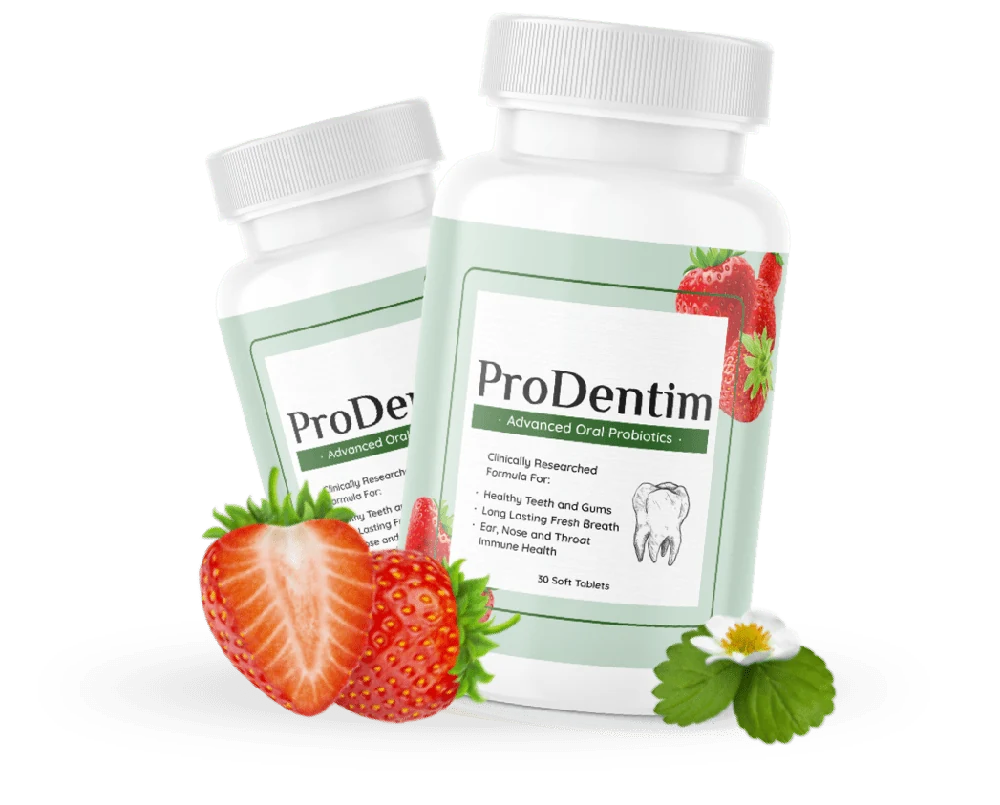
ProDentim
Looking for a fresh approach to everyday oral care? ProDentim brings probiotics and complementary ingredients together in a convenient chewable formula.
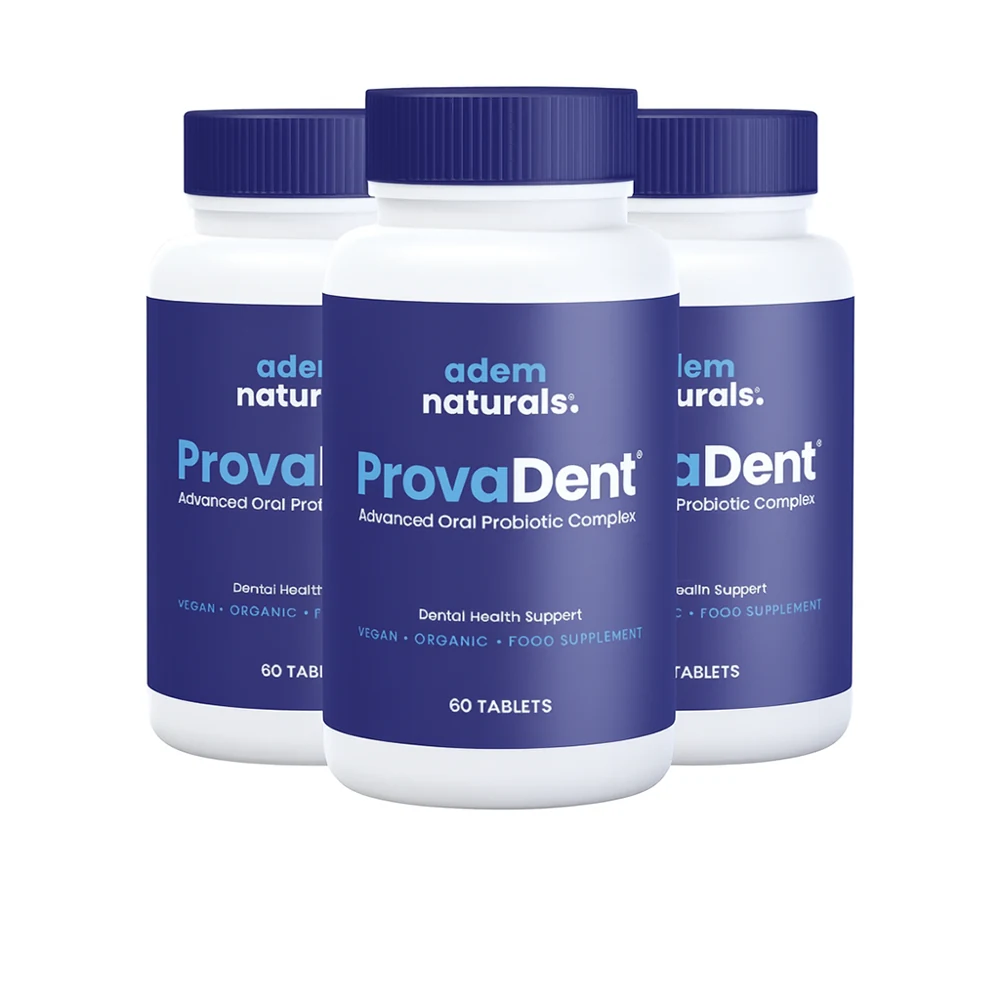
ProvaDent
ProvaDent combines an oral-probiotic blend with xylitol, botanical ingredients and BioFresh Clean Complex for shoppers who want a more complete daily oral-care addition.
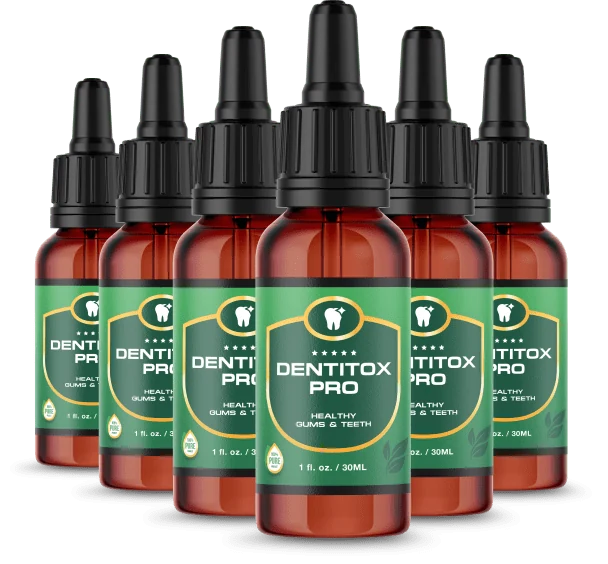
Dentitox Pro
Prefer drops to tablets? Dentitox Pro brings vitamins, minerals and complementary ingredients into an oral-care formula designed around a different daily routine.