Identify the product before comparing the promise
Weight-management offers can include powders, capsules, liquids, meal-replacement products and prescription medicines. Putting them under one shopping heading does not make them equivalent. Identify what the product is and what its current label actually contains.
A sales page might emphasize a hormone, a metabolic pathway, a traditional drink or a discovery story. Those are explanations to investigate, not substitutes for a specification. Your first comparison should include serving size, ingredients, declared amounts and the daily routine.
GridNow uses Weight Management as an editorial category. It is not a statement that every listed product causes weight loss. We can evaluate a product’s format and transparency without granting its outcome claims.
Why GLP-1 language needs careful reading
A reference to GLP-1 in a supplement advertisement does not establish that the product is semaglutide, a prescription agonist, or an equivalent alternative. Marketing can use the same biological term for very different kinds of assertions.
Ask whether the evidence evaluates the finished formula, at its actual dose, using a clinically relevant outcome. A laboratory mechanism or ingredient association is not a head-to-head comparison with a medicine. If there is no such study, keep that uncertainty explicit.
Our research queue includes an unidentified offer at tryglpro.com. It is not included as a finished review until its identity and documentation can be established. A path containing glp1 does not supply those missing facts.
Read the amount, then the ingredient story
A fiber or probiotic-centered formulation should be assessed with the same precision as any other supplement: amount per serving, organism identity where relevant and the type of preparation. An ingredient featured in a broad research field can still be poorly specified in a retail formula.
Powders need a clear scoop measure and total servings. Capsules need a per-serving capsule count. Liquid products need a labeled serving measure rather than a generic dropper assumption. If the instructions change, the same bottle can represent a different duration.
When data are missing, do not fill them with an average from a different brand. The comparison should state the limitation and make clear which practical features remain verifiable.
Understand how strong the research is
The NIH Office of Dietary Supplements provides ingredient-by-ingredient background on products marketed for weight loss. It describes limited evidence for many common preparations and the need to consider safety as well as effectiveness.
When reviewing a study, ask whether participants also changed diet, exercise or other care. A measured outcome from a combined program cannot automatically be attributed to a supplement alone. Duration and follow-up also matter when the claim is about sustained weight management.
An affiliate comparison should not turn a seller’s extreme promise into an editorial fact. It can explain what the formula is, why its routine might appeal and which claims require stronger support.
Choose a routine and purchase you can evaluate
Consider whether you prefer mixing a drink or taking a defined unit. Check flavor information, preparation, portability and storage from the seller’s documentation. If you are sensitive to particular ingredients, review the actual panel before making a choice.
Calculate the package total and cost per labeled serving, including shipping. Look for subscription language and optional add-ons. A bonus or large discount does not make a product a better fit if the routine is impractical or the formula is not sufficiently clear.
We recommend beginning with the full Trimology analysis and the general product-comparison guide. Weight-management decisions should remain connected to appropriate clinical and lifestyle support rather than a stand-alone sales narrative.
Sources & research notes
Product information, ingredient references and further reading.
Editorial review based on published product information. Product information checked: . Our review methodology.
Explore the products
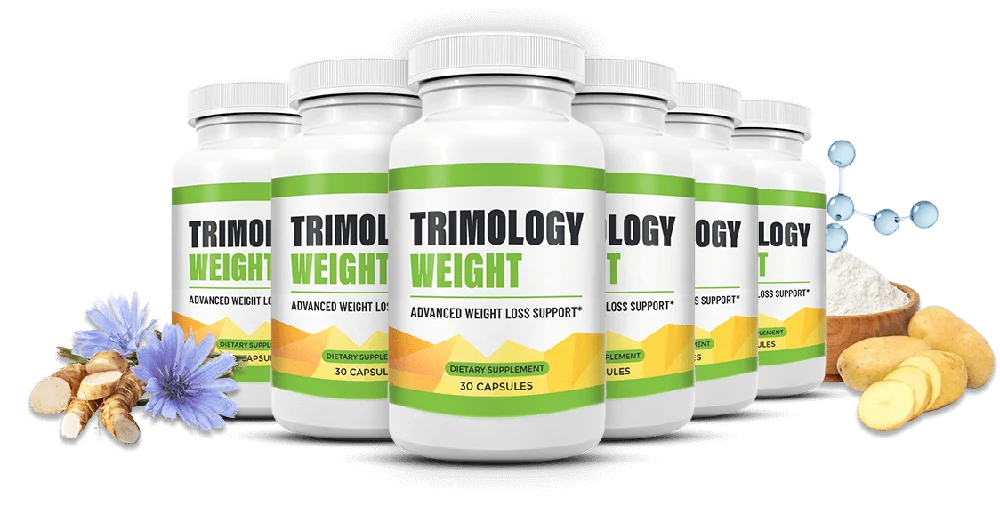
Trimology
Trimology combines prebiotic ingredients and selected probiotic species in a capsule formula marketed for gut-focused weight management.