Start with the full formula, not the category name
A probiotic capsule and a tonic powder can appear in the same weight-management list while requiring very different shopping decisions. The first question is not which slogan sounds more convincing. It is what each daily serving contains, how the amount is measured and whether the complete routine suits the person buying it.
In our current selection, LeanBiome is a capsule-based option and Nagano Tonic is a mixed powder. Trimology provides another formulation to examine. These are editorial shopping categories, not a claim that the products produce equivalent effects. Read each complete review before comparing an ingredient or purchase condition.
Why probiotics versus powder is an incomplete distinction
Probiotic describes an ingredient category; powder describes a physical format. The two can overlap. Nagano’s reviewed panel includes a probiotic blend, while LeanBiome includes plant ingredients as well as organisms. A comparison that calls one simply bacteria and the other simply herbs leaves out information that could change your choice.
Build a worksheet with separate columns for delivery form, organism identity, botanical preparation and declared amounts. Record missing details as missing. This prevents an attractive ingredient illustration from becoming a substitute for the package specification and makes it easier to identify the question a seller still needs to answer.
Read microbial information with precision
Look for organism names, strain identifiers where provided, the amount per serving and how live counts are expressed. Ask whether the count is guaranteed through the expiration date or refers to manufacturing. A larger headline number is not enough to establish a better fit, especially when identity, storage and the relevant outcome differ.
If a seller cites a probiotic trial, compare the study preparation with the current panel. Do not assume that every organism sharing a familiar species name has been evaluated in the same way. The most useful evidence would address the actual product and outcome you care about; an ingredient reference is a narrower piece of information.
Translate a blend into answerable questions
A proprietary blend may state the combined weight of several ingredients without the amount of each. That can help identify the broad formula but limits dose comparisons. If one herb is important to your decision, ask for its amount and preparation. Do not divide the blend weight equally across the ingredient list.
The same caution applies to botanical extracts. A plant name does not fully identify concentration, standardization or exposure. Green tea extract and a cup of brewed green tea are not interchangeable comparison units. NIH discusses both limited weight-loss evidence and potential safety concerns with concentrated ingredients; use that context to ask specific questions.
Compare the routine honestly
Capsules can be convenient when you travel or do not want another beverage. A powder may appeal when preparing a morning drink is already part of your day. Neither preference needs a dramatic metabolic explanation. Convenience is a legitimate reason to shortlist a format, provided the ingredients and conditions also fit.
Think through an ordinary weekday: where the product is stored, how it is measured, what it is mixed with and whether you finish the serving. If you already use other supplements, list their ingredients alongside the new product. The exercise is designed to reveal overlap before you buy a larger bundle, not to create a dosing plan.
Separate study outcomes from sales calculations
A trial can measure body weight, body-fat percentage, waist circumference or a particular fat compartment. These are not interchangeable. Before accepting a claim about pounds lost, check the original endpoint, participants, duration and whether food intake or activity changed. A percentage reduction in one measurement cannot simply be multiplied by total body weight.
NIH’s weight-loss supplement overview emphasizes that evidence is often limited and that multi-ingredient mixtures are difficult to evaluate. In practical terms, request the study of the finished formula rather than joining separate ingredient results into one predicted transformation. When that study is unavailable, keep the uncertainty visible in the comparison.
Calculate the real financial commitment
Compare the total payable today, delivery charges, taxes and confirmed daily servings. Then check whether the order renews. A one-time package and a recurring shipment can display similar per-bottle figures but create different commitments. Save the purchase selection and terms with the receipt so the agreement remains clear later.
Refund windows are another separate comparison. Read how the period is counted, what must be returned, who pays postage and how to contact support. A long guarantee does not establish that a formula works, and a low bundle price does not make an unsuitable product useful. Keep commercial protections separate from evidence of effectiveness.
A practical shortlist for GridNow readers
Start with LeanBiome if the capsule format is your main preference, and Nagano Tonic if you specifically want to investigate a mixed morning drink. Read the Trimology review to broaden the formula comparison. These are starting points for reviewing documented features, not a ranking of proven weight-loss outcomes.
Before ordering, bring the current label to a clinician or pharmacist when medicine use or a medical condition makes suitability uncertain. Choose a product only after checking composition, routine and checkout together. Our linked reviews contain affiliate offers, so GridNow may receive a commission; the comparison should remain useful whether or not you purchase.
Sources & research notes
Product information, ingredient references and further reading.
- NIH ODS: Dietary Supplements for Weight Loss
- Lean for Good: current published Biome panel
- Nagano: current published panel
Editorial review based on published product information. Product information checked: . Our review methodology.
Explore the products
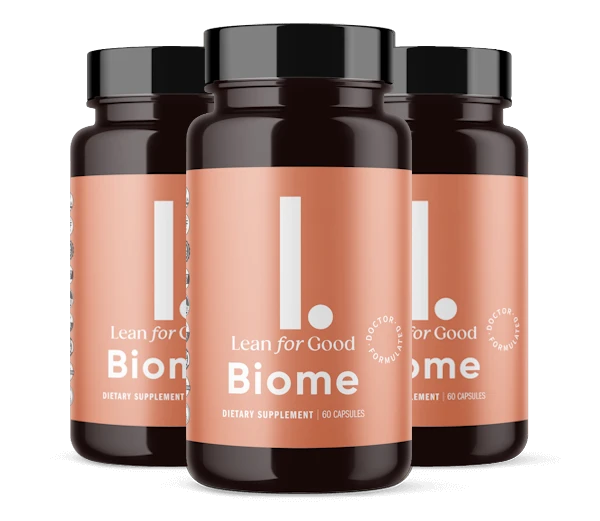
LeanBiome
Explore LeanBiome’s probiotic-and-botanical approach to a weight-management routine, with nine named species and a simple daily serving.
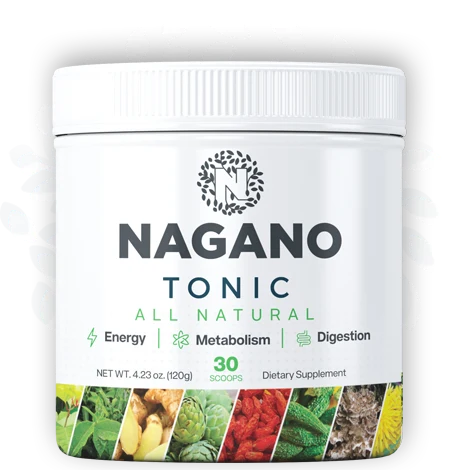
Nagano Tonic
Nagano Tonic turns a daily drink into a weight-management ritual, combining greens, botanical extracts, a digestive complex and probiotics in a scoopable powder.
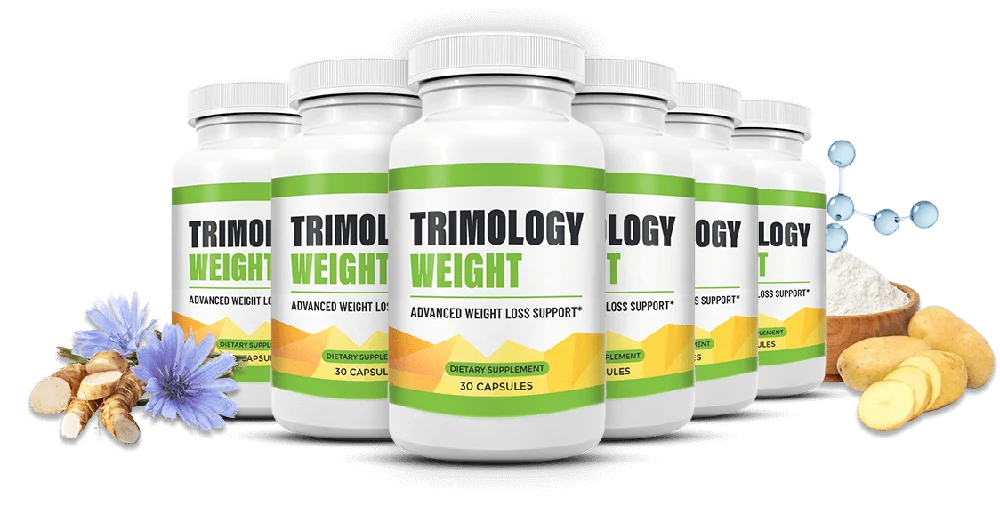
Trimology
Trimology combines prebiotic ingredients and selected probiotic species in a capsule formula marketed for gut-focused weight management.