Begin with the right comparison
Prostate-support offers often appear together even when their formulas, format and disclosure differ substantially. Start by comparing two actual labels, not two stories about why urinary symptoms happen. Marketing mechanisms can sound persuasive while still leaving the product specification incomplete.
Our Prostadine/ProstaVive comparison looks at liquid versus powder formats and the practical information each seller provides. The useful question is what those differences mean for a purchase, not which sales narrative sounds more scientific.
A preferred option can be chosen for routine fit or clarity of information. That preference is not a finding that it treats an enlarged prostate or improves a particular symptom.
Record the daily serving correctly
For a liquid, compare bottle volume, serving measure and the instructions for using the dropper. For a powder or capsule, identify the actual serving size and total servings. Do not call every bottle a monthly supply unless the label supports that calculation.
A name repeated across third-party reviews does not guarantee a consistent formula. Record the panel from the seller destination you are using and the date you checked it. Geographic offers, packaging and instructions can change.
When a botanical or seaweed appears, look for its amount and form. A general ingredient name without a dose cannot be matched confidently to a quantified research preparation.
Understand the evidence boundary
NIDDK describes several causes and treatment pathways for urinary symptoms associated with prostate enlargement. A supplement catalogue does not distinguish among those causes. Symptoms can require evaluation even when they appear to match a product advertisement.
NCCIH reports important limitations in the evidence for complementary approaches marketed for BPH. Ingredient presence is therefore not enough to infer a reliable treatment outcome. Ask whether the finished formulation has been evaluated in a relevant human study.
Keep three separate statements in your notes: the seller’s proposed purpose, the research you can verify, and the practical buying preference. Combining them into one claim can make a convenient product sound like an established therapy.
Compare the complete formula, not just the headline ingredient
If a liquid features several plants or seaweeds, consider the full list, including the serving information. If a powder emphasizes a single extract in the headline, check whether the rest of the panel changes the comparison. A formula is more than its hero ingredient.
Have the complete panel reviewed if you take medication, have a thyroid condition or another health concern that might affect suitability. Do not assume one shopper’s tolerance or testimonial applies to another.
Good editorial comparison should show what is disclosed and what remains unknown. More ingredients, a dramatic origin story or a larger discount does not answer those missing questions.
Choose the manageable commitment
A liquid can appeal to someone who prefers to avoid mixing a powder. A powder can appeal to someone who already prepares a daily drink. Taste, storage and serving consistency are practical questions to resolve from the instructions, not benefits to invent.
Compare delivered price, supply, any subscription and the return process. When prices differ by bundle, calculate the total for the package you actually intend to order. A low per-unit headline can conceal a large first payment.
Use our individual reviews for the details and the comparison for the trade-offs. Keep clinical questions separate, and do not stop or replace prescribed care on the basis of an affiliate page.
Sources & research notes
Product information, ingredient references and further reading.
Editorial review based on published product information. Product information checked: . Our review methodology.
Explore the products
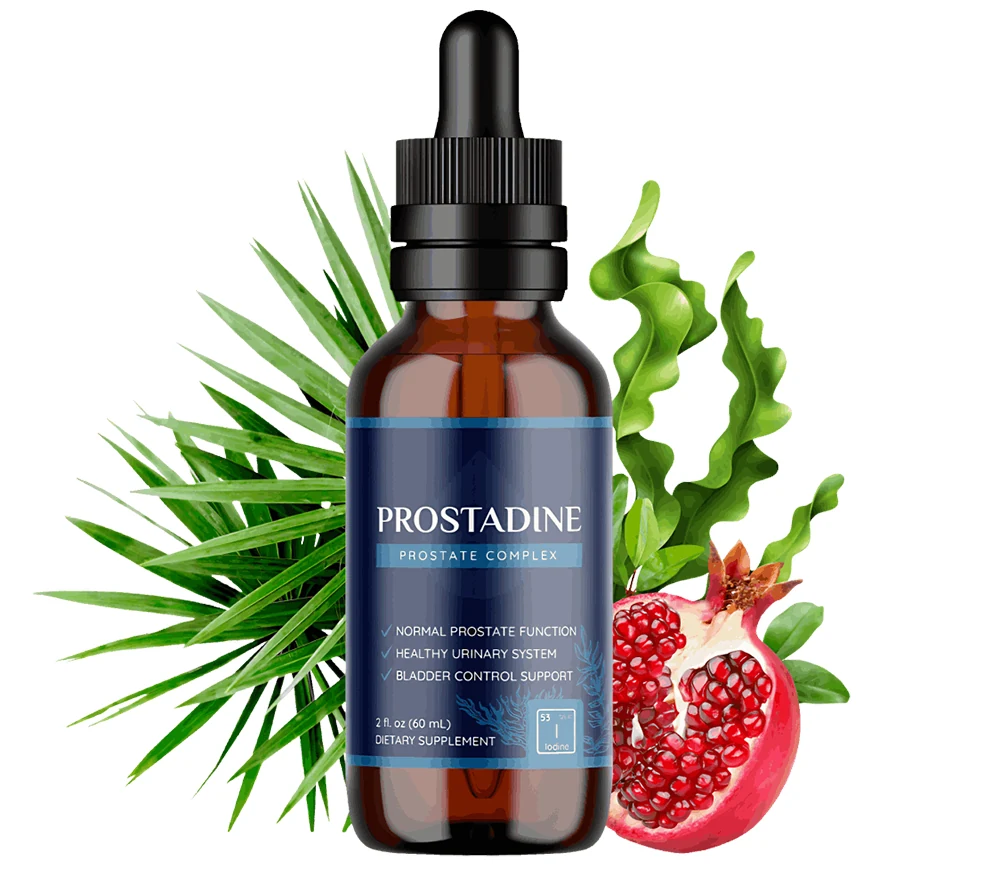
Prostadine
Prostadine brings seaweed-derived ingredients and botanicals together in daily drops designed for prostate and urinary wellness. Explore the formula, daily routine and current package options.
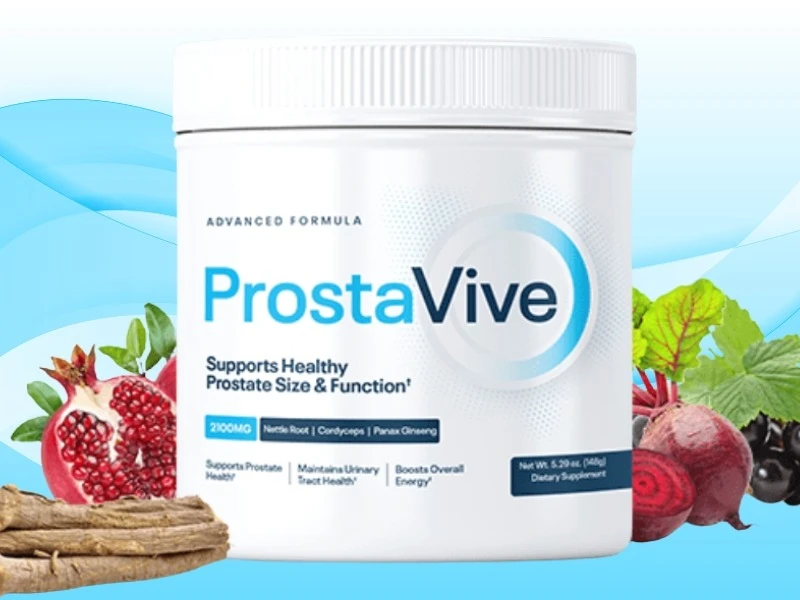
ProstaVive
ProstaVive combines botanicals, minerals and vitamins in a daily drink powder marketed for prostate wellness and male vitality. See why its all-in-one approach deserves a closer look.