Start with the question you actually need answered
A search for nerve support can begin with a product name, a symptom or an unfamiliar ingredient. These are different starting points. Someone researching magnesium is comparing a nutrient; someone experiencing altered sensation is asking a health question that a shopping article cannot resolve. Separating those tasks makes the eventual product comparison clearer.
For a buying decision, write down the intended role of the product and the information you need to assess it. That might be a capsule routine, a particular ingredient or a preference for fully disclosed doses. A specific criterion is more useful than asking which supplement has the strongest sounding list of benefits.
Keep nerve wellness separate from memory marketing
The nervous system is a broad topic. Memory, concentration, sleep and peripheral sensation are not interchangeable shopping categories simply because products mention nerves or the brain. A cognitive formula should not enter a nerve-support ranking without a relevant reason and clear explanation of that difference.
NINDS describes peripheral neuropathy as a group of conditions with different patterns and causes. Persistent or changing symptoms deserve an appropriate assessment rather than a diagnosis inferred from an advertisement. Keep your product notes separate from a record of where symptoms occur, when they began and what has changed.
Read the panel before the sales narrative
A useful panel identifies the serving size, amount of each listed nutrient, botanical names and forms, other ingredients and cautions. Check whether the daily instruction is one capsule or several. Compare the amount per daily serving, not the large number printed for a multi-capsule portion or an entire bottle.
If a proprietary blend lists one combined weight, record the individual quantities as undisclosed. Do not divide the number equally among the components. For magnesium, distinguish elemental magnesium from the weight of a magnesium compound. This distinction can change a comparison substantially even when both products use the same familiar ingredient name.
Use Arialief as an example of a question worth asking
The reviewed Arialief seller page offers a simple one-capsule daily routine, but its main ingredient section and FAQ do not describe an identical formula. The FAQ adds PEA and turmeric to the narrative. This does not give a reviewer permission to create a definitive combined ingredient list or assume the current bottle contains every mentioned component.
Request the current Supplement Facts photograph for the offer you intend to buy. If a particular component is your reason for choosing the product, verify its inclusion and quantity before ordering. A helpful seller response is a specific document that answers the question, rather than a repeated benefit claim.
Ingredient studies and product studies answer different questions
An ingredient study may investigate a particular preparation in a defined group of people. A commercial supplement may use a different quantity, combination or form. Matching one word in the ingredient list does not establish that the finished bottle reproduces the study conditions or outcomes.
Alpha-lipoic acid illustrates why that distinction matters. NCCIH reports mixed findings in research on diabetic neuropathy. The appropriate reading is that evidence needs context, not that every ALA-containing product works or that all nerve symptoms have the same cause. Ask for the study population, route, dose, duration and measured endpoint before connecting it to a product.
Check the complete routine and existing products
A capsule format can be easier to manage than powders or drops for some people, but personal convenience should not become an invented claim about absorption or clinical potency. Consider swallowing, storage, travel and the time of day specified by the current label. These practical details determine whether the format fits your habits.
List existing supplements and medicines alongside the full proposed formula. A clinician or pharmacist can assess the actual combination more usefully than a seller assurance that natural products are suitable for everyone. Avoid stacking several blends simply because each has a different headline purpose; the ingredient panels may overlap.
Treat supply and refund timelines separately
Calculate total delivered cost divided by the number of label-directed daily servings. Include shipping and taxes, and check whether the price is a one-time purchase or a recurring plan. Digital bonuses should not distract from the amount you are committing to the physical product.
Compare the refund deadline with the seller’s suggested use period. A presentation may encourage several months of use while offering a shorter return window. Save the conditions that apply to your exact order and establish how a return is requested. A satisfaction promise is a commercial term, not evidence that the formula is effective.
A short decision checklist
Before opening checkout, confirm the exact product and seller, obtain the current label, resolve any composition discrepancy and calculate the daily serving cost. Decide whether the product meets a documented shopping preference and whether suitability has been assessed. An unanswered ingredient question is a reason to gather information before purchasing.
GridNow’s Arialief review applies these criteria to the supplied offer and links to the seller for current details. The recommendation is conditional on the information available; it does not claim personal testing, guaranteed relief or a clinically superior nerve-health formula. That approach keeps commercial recommendations useful while making their limits visible.
Frequently asked questions
Does a longer ingredient list mean a better product?
No. Relevant quantities, preparation, evidence and suitability matter more than the number of names.
Can I compare a proprietary blend with a study dose?
Not reliably for an individual ingredient when only the total blend weight is disclosed.
Are nerve-support and memory supplements the same category?
No. Their intended purposes and evidence questions differ, even when both use nervous-system language.
Sources & research notes
Product information, ingredient references and further reading.
Editorial review based on published product information. Product information checked: . Our review methodology.
Explore the products
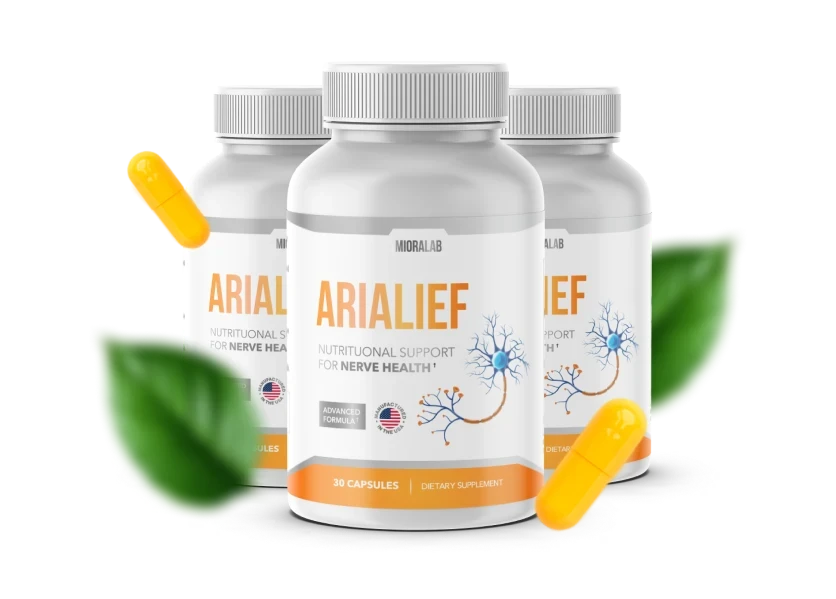
Arialief
A once-daily nerve-wellness capsule featuring an ingredient concept built around magnesium and alpha-lipoic acid.