Start with the decision you actually need to make
A useful comparison begins with a specific choice. You may be deciding between a chewable and oral drops, a topical oil and capsules, or two pillows with different shapes. Those are practical differences you can examine. A headline promising better health is not a comparison criterion until it is tied to a measurable outcome and credible evidence.
Write down three priorities before opening a sales page: what you want to understand, what form you can realistically use, and what total budget you are willing to commit. Keep those priorities visible while reading. This prevents an impressive bonus bundle or discount banner from quietly becoming the reason you buy something that does not fit your original needs.
GridNow separates the product description, the evidence discussion and the purchase details. Use them in that order. First identify what is being sold; then consider how much confidence the information supports; finally check the offer. A convenient format may make one choice more appealing, but it does not establish a health benefit.
Read the label as a specification, not a slogan
For a supplement, identify the serving size before comparing quantities. A bottle with 60 capsules can mean 60 servings or 30, depending on the label. For a powder, a container weight is not automatically the number of days it will last. For drops, distinguish bottle volume from the quantity in a daily serving. Compare the same unit across products.
A named ingredient is a starting point, not a complete specification. The plant part, extract standardization, amount and delivery format can change the interpretation. In probiotics, the strain identifier matters alongside the genus and species. A long ingredient list without amounts may be less informative than a shorter, clearly quantified panel.
With a physical product, replace ingredient questions with dimensions, material, care instructions and model version. Two products sold under one brand may be different designs. Save the exact model shown at checkout and compare it with the documentation you read, especially when the affiliate page changes by country.
Separate product research from ingredient research
A study on a single ingredient does not automatically evaluate every finished product containing it. Ask whether the research used the same form, amount, duration and population. A study measuring a laboratory marker also answers a different question from one measuring a meaningful change that people notice in daily life.
When a sales page says clinically studied, identify what the phrase attaches to. Is it the finished formula, one branded ingredient, a general ingredient family, or a mechanism? If no study can be located, keep the claim in the manufacturer-description column rather than treating it as a demonstrated result.
For our documentary reviews, a missing trial is a limitation of the evidence we could verify. It is not proof that the product never works. Conversely, a plausible biological explanation is not proof that it does. This distinction supports a more useful buying decision than a simple all-good or all-bad verdict.
Calculate the real commitment
Compare the amount charged today, not just the largest price printed on a package card. Multiply unit price by the number of units, then add shipping and applicable taxes. Check whether the displayed discount requires the largest bundle. A lower bottle price may still require a higher initial payment.
Calculate cost per serving only after confirming serving count. The basic formula is total delivered price divided by total servings. That gives a comparison of purchase cost, not cost per successful result. No seller can tell you how many successful days you will experience simply by dividing the package price.
For subscriptions, record the renewal interval, renewal price and cancellation method separately from the introductory offer. For physical products, check whether pillowcases, covers or additional accessories are preselected. Remove items you do not want and review the final basket before paying.
Read the return policy before the guarantee badge
A guarantee headline is not the full agreement. Look for the start date of the return window, whether opened items are accepted, whether a return authorization is required, who pays return shipping and what charges are refundable. Save a copy of the policy that applied when you ordered.
A promise of a money-back period is different from a trial that begins on delivery. If shipping takes a meaningful part of the return window, the difference matters. On multi-unit bundles, confirm whether all units must be returned. Do not assume one brand has the same policy across every reseller and market.
If a necessary condition is missing, ask the seller before ordering rather than filling the gap with an assumption. The most practical purchase can be the one with clearer terms, even when another listing advertises a larger percentage discount.
Turn the comparison into a defensible choice
Build a short shortlist instead of ranking dozens of products using unexplained scores. Choose the option whose documented features best match your priorities, and state the remaining uncertainty. For example, preferring a chewable format is a reasonable routine-based decision; claiming it will repair gum disease requires a very different level of evidence.
GridNow may earn a commission from products linked in our articles. We can still identify a preferred option, but the reasoning should be visible: format, disclosure quality, relevant research and purchase conditions. Affiliate compensation is not an ingredient benefit and does not belong in a consumer-facing quality score.
Use the product review for depth, a side-by-side comparison for trade-offs, and the seller page for current commercial details. You do not have to make the decision during the first visit. A purchase that remains sensible after checking all three sources is more considered than one driven only by urgency.
Sources & research notes
Product information, ingredient references and further reading.
Editorial review based on published product information. Product information checked: . Our review methodology.
Explore the products
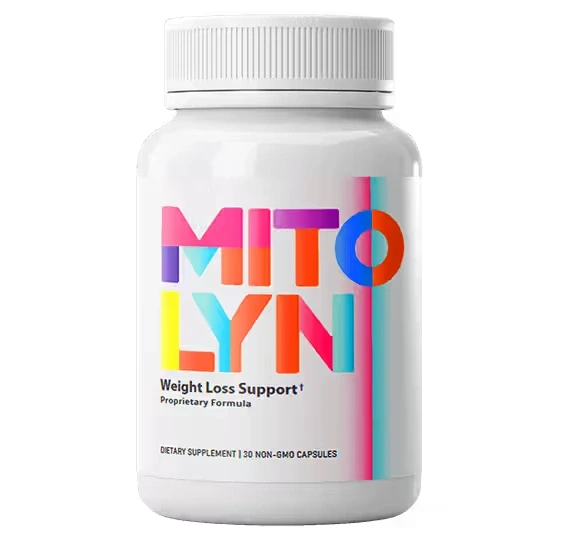
Mitolyn
Explore Mitolyn’s botanical-and-algal formula concept, one-capsule seller routine and dated package costs.
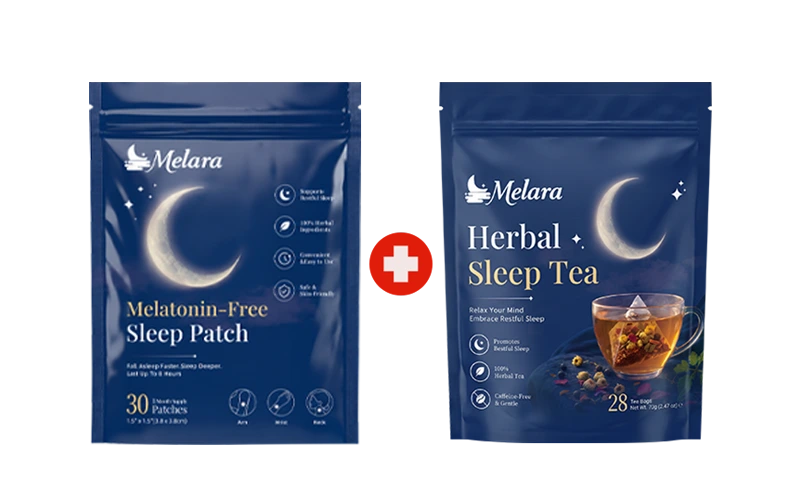
Melara Complete Sleep Bundle
Melatonin-free tea and patch bundle for home and travel bedtime routines.