Start with the question you are trying to answer
A search for a hearing supplement can mean several different things: you may want to understand an ingredient, compare three brands, or find help for ringing in your ears. Those questions need different kinds of evidence. A product review can describe the label and seller terms. It cannot establish the cause of a hearing change or determine which intervention fits that cause.
Before comparing bottles, write down what you expect the purchase to do. If the expectation is that a dietary supplement will reverse hearing loss or reliably stop tinnitus, do not treat a persuasive landing page as confirmation. The National Institute on Deafness and Other Communication Disorders explains tinnitus and available management approaches; its information is a better starting point for the condition than a checkout page.
Build a specification sheet before picking a favorite
Use the current Supplement Facts panel, rather than a list copied from a marketplace. Record the serving size, servings per container, individual ingredient amounts, other ingredients and directions. A blend total does not tell you the dose of every component. If the supplier has not disclosed an amount, mark it undisclosed instead of borrowing a number from another product.
Keep a separate column for product format. Capsules, tablets and liquids can involve different storage and measuring routines. The format you can use consistently may be a reasonable shopping preference, but it is not evidence of better delivery to the ear. Compare the exact offer and formula version linked from the review; similar names or older packaging can create misleading comparisons.
Separate three levels of evidence
An ingredient can have a plausible biological role without the finished supplement having demonstrated a useful outcome. First identify whether a citation describes laboratory work, a human ingredient trial, or a controlled trial of the actual product. Then check the participants, dose, duration and measured outcome. A general antioxidant discussion does not answer whether a named formula reduces tinnitus distress.
A customer account may explain why someone liked an experience, but it cannot isolate the supplement from other changes, expectation or natural variation. A manufacturer’s reference list is useful as a trail to follow, not an automatic endorsement of every statement beside it. When our reviews cannot establish a finished-product result, the recommendation is limited to documented buying differences.
Make the price comparison fair
Compare equivalent supplies, not headline bottle prices. Calculate the total amount due including shipping and divide it by the number of days in the stated serving routine. If a lower price requires six bottles, record both the unit price and the larger initial commitment. Bonuses are not a substitute for a complete label or an appropriate formula.
Check whether the order is a one-time purchase or recurring shipment. The final checkout should show that clearly. Return policies also need more than a number of days: note when the clock starts, whether opened bottles qualify, whether authorization is needed, and who pays return shipping. Save the order confirmation and the terms shown when you buy.
Use our three reviews as a shortlist, not a clinical ranking
Audifort, Quietum Plus and ZenCortex belong in the same shopping discussion because they are marketed in the hearing-wellness category. That does not establish equivalence between their formulas. Start with the product whose format and available documentation suit your requirements, then read its limitations before opening the offer.
For a useful side-by-side decision, compare one factor at a time. A clearer serving disclosure may favor one offer for transparency; a preferred format may favor another for convenience. Neither criterion justifies a claim that one product treats tinnitus better. Our product cards below provide full reviews and affiliate links so you can check the current seller presentation.
Decide what would make you stop shopping
A comparison becomes more useful when you set boundaries in advance. Missing ingredient quantities, unclear recurring billing, conflicting product identities or an inaccessible return policy are reasons to request more information. You do not have to convert every uncertainty into a purchase. Ask a clinician or pharmacist about compatibility when you take medicines or have a relevant condition.
If your concern is a new or changing hearing symptom, prioritize an appropriate assessment rather than extending the supplement shortlist indefinitely. This guide supports a purchasing decision; it does not diagnose the symptom. Return to the individual review when you have a specific product question, and check the live seller terms again immediately before ordering.
Sources & research notes
Product information, ingredient references and further reading.
Editorial review based on published product information. Product information checked: . Our review methodology.
Explore the products
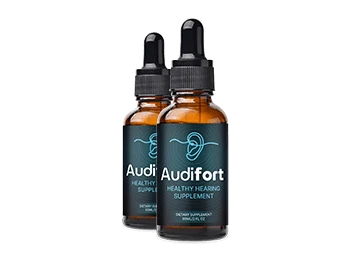
Audifort
A broad hearing-wellness blend in oral drops, with a published label and a 90-day advertised guarantee.
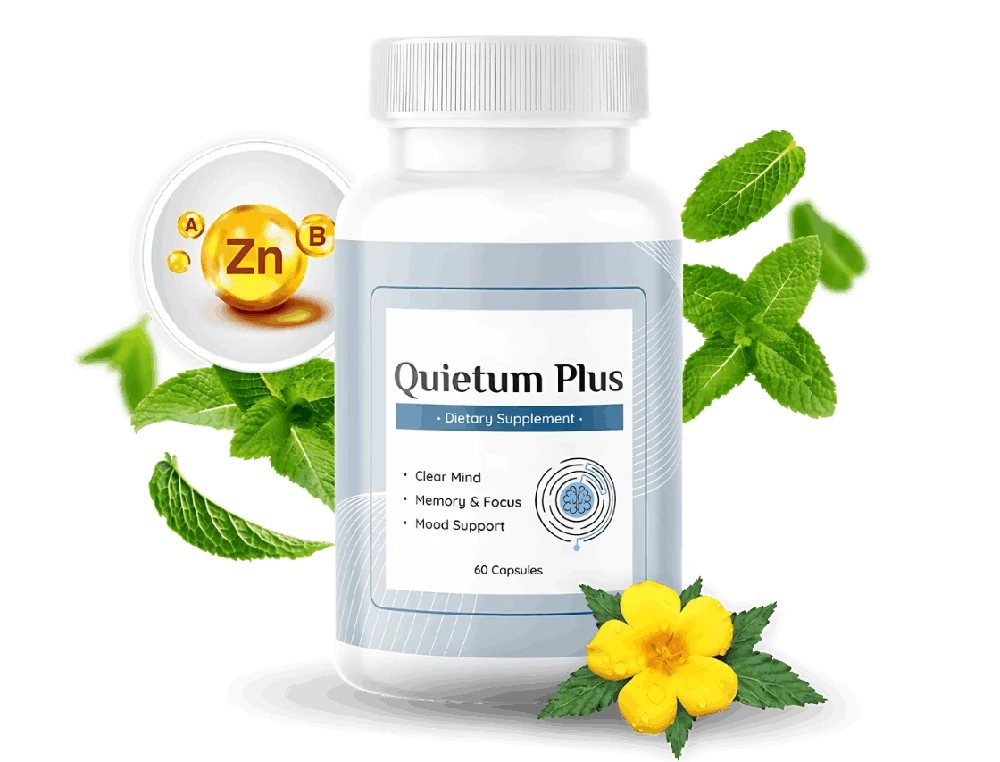
Quietum Plus
A multi-botanical ear-wellness formula for shoppers who prefer capsules to a dropper routine.

ZenCortex
A broad hearing-wellness formula in oral drops, featuring grape seed, green tea, ginseng and more.