What a hearing-wellness category does and does not tell you
Hearing-wellness supplements share a marketing topic, not a proven treatment effect. A capsule blend and liquid blend can list different botanicals while using similar language about ear health. Begin by identifying the exact formula, route and serving information rather than judging by the category name.
For a meaningful comparison, note what the seller is actually promising. General wellness support, reduced ringing, restored hearing and nerve repair are very different assertions. The stronger and more specific the promise, the more important it is to identify suitable evidence for the finished product.
GridNow compares Quietum Plus and ZenCortex primarily through their format, disclosed ingredients and purchasing details. We do not interpret a difference in convenience as proof that either formula treats tinnitus.
Why evidence needs a defined outcome
The NIDCD notes that vitamins, herbal extracts and supplements advertised as tinnitus cures have not been proven effective for that purpose. This is important context when reading sales language that sounds like an established solution.
Tinnitus is an experience that can vary in intensity, associated distress and how much it interferes with daily life. A report of feeling more relaxed is not automatically a measure of hearing improvement. A useful study should define what changed and how it was measured.
If a page cites an ingredient study, check the study population, dose and outcome. The fact that a plant has been researched somewhere does not tell you that a particular blend restores hearing or that the study even examined hearing.
Capsules and liquids involve different routines
A capsule can provide a defined unit and may be easy to include in an established routine. Check how many capsules make a serving and whether the label specifies taking it with food. For liquids, check the serving measure and application instructions instead of assuming that every dropper holds the same amount.
Taste, portability and storage can matter when comparing formats. These features are legitimate reasons to prefer one product, provided you confirm them from the current instructions. They should not be presented as clinical advantages without evidence.
Keep the current full label available if you discuss a formula with a professional. A marketing page with a few featured ingredients can omit details present on the actual bottle.
What to do with a long botanical list
Counted ingredients can create an impression of comprehensiveness, but more is not automatically better. The amount, extract type and relevance of each ingredient matter. A blend containing many undisclosed quantities leaves a different level of uncertainty from a quantified formula.
Check whether the formula description remains consistent between the review, order page and package. When they differ, use the seller’s current documentation to resolve the discrepancy before buying. Never combine lists from several unofficial sites into a supposed complete panel.
Commercially, clear product information is an advantage. We can favor a format or a more transparent listing for a defined shopper preference without claiming the winner will resolve hearing symptoms.
Keep medical evaluation separate from shopping
A shopping comparison cannot identify why someone has ringing, hearing changes, dizziness or ear discomfort. Arrange appropriate assessment rather than treating a seller’s explanation as your diagnosis. Sudden hearing loss needs prompt medical attention.
If you already use medication or other supplements, review the complete formula with a clinician or pharmacist before adding another blend. Describing a supplement as natural does not establish that it has no interactions.
The most useful next step is to read our side-by-side comparison, check the current seller’s label and make a decision that reflects the remaining uncertainty. A guarantee can explain a commercial remedy if you are dissatisfied; it cannot establish medical efficacy.
Sources & research notes
Product information, ingredient references and further reading.
Editorial review based on published product information. Product information checked: . Our review methodology.
Explore the products
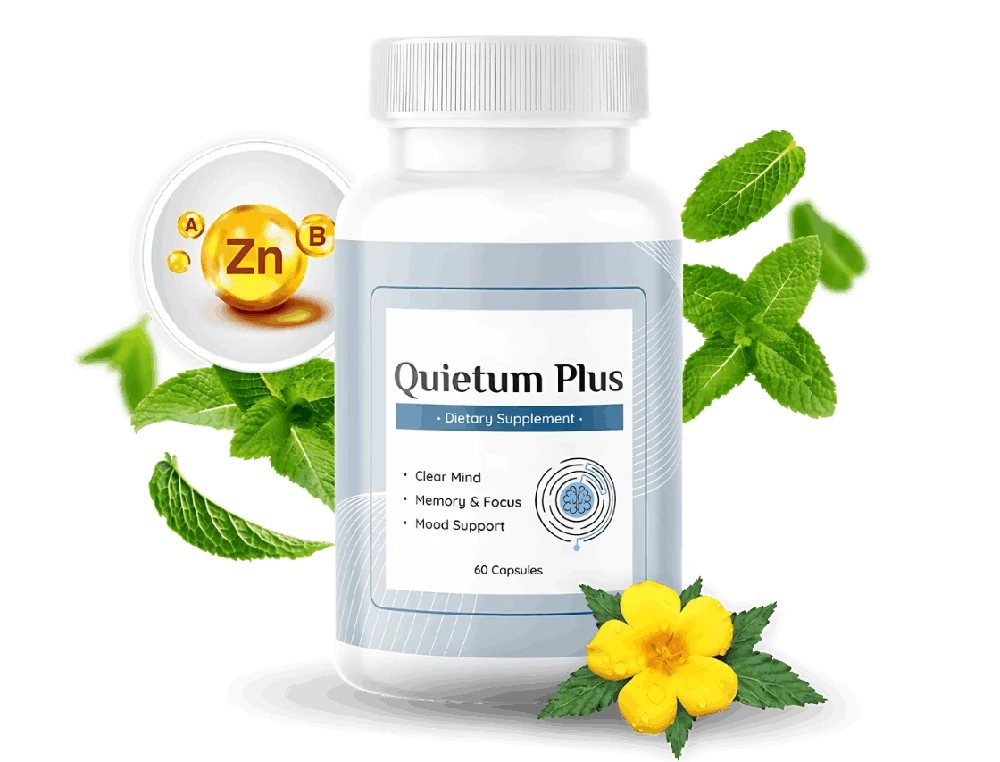
Quietum Plus
A multi-botanical ear-wellness formula for shoppers who prefer capsules to a dropper routine.

ZenCortex
A broad hearing-wellness formula in oral drops, featuring grape seed, green tea, ginseng and more.