A category name is not a treatment recommendation
Blood sugar support is a common sales category, but products in it can differ in format, ingredients and the kind of claim being made. A capsule using a branded extract is not interchangeable with a multi-botanical liquid merely because both appear under the same heading.
Our buying analysis starts with what can be verified: the named formula, serving information, documented ingredients and purchase conditions. A claim that a product supports an aspect of wellness is not the same as proof that it manages diabetes.
For someone with diabetes, the purchase also involves clinical context that a catalogue cannot supply. A review should help you understand an offer while keeping that boundary visible.
Do not merge similar product names
Offers with glucose, sugar or berry in their names can be unrelated. Record the exact seller destination and packaging. Our supplied Blood Sugar Berry destination identifies a GlucoBerry offer, which must be distinguished from other berry-branded products.
Brand-name accuracy matters for more than navigation. A study, ingredient panel or return policy belonging to one formula cannot be transferred to another. If the packaging differs from a review screenshot, pause and verify the version instead of assuming it is simply a redesign.
The same principle applies to reseller pages. A seller might describe an offer differently from the manufacturer’s panel. Our review should identify the source of each fact, and the label at your destination remains important to check.
Compare disclosed amounts and the type of evidence
Note the serving size, ingredient amounts and extract names before comparing effectiveness claims. If a blend hides individual quantities, a publication on one ingredient does not resolve the missing dose. Concentration, population and study outcome all matter.
NCCIH concludes that evidence is insufficient to show that dietary supplements can manage or prevent type 2 diabetes. Its consumer guidance also emphasizes discussing supplement use with a health professional, particularly alongside diabetes medications.
That context prevents an ingredient story from being mistaken for a care plan. A favorable GridNow recommendation can be based on better disclosure or a format preference; it should not promise medication-like glucose control.
Put liquid and capsule routines side by side
A capsule may offer a defined unit and little preparation. A liquid may suit someone who avoids capsules but needs a clear serving measure and acceptable taste. Compare the actual instructions instead of assuming that a dropper is always one serving.
Look at added ingredients, full-label details and storage. Suitability can depend on the entire panel, including interactions or restrictions relevant to your situation. Ask a clinician or pharmacist to consider that information when appropriate.
Never use the ability to swallow a product comfortably as evidence of clinical suitability. Convenience can be a genuine advantage without answering every medical question.
Make the offer comparison auditable
For each seller, record the package size, delivered total, renewal status and return policy. If TSL and direct-to-checkout buttons lead to the same URL, they are not separate offers just because the labels differ.
Our Sugar Defender links currently include a shared destination for the supplied TSL and DTC variants. The consumer should still check the final package and any optional extras. A documentary review cannot guarantee the seller will keep a price or delivery estimate unchanged.
Use the full reviews for formula detail, then compare practical trade-offs. Keep your monitoring, medication and clinical advice in place; do not use a favorable commercial review as an instruction to change treatment.
Sources & research notes
Product information, ingredient references and further reading.
Editorial review based on published product information. Product information checked: . Our review methodology.
Explore the products
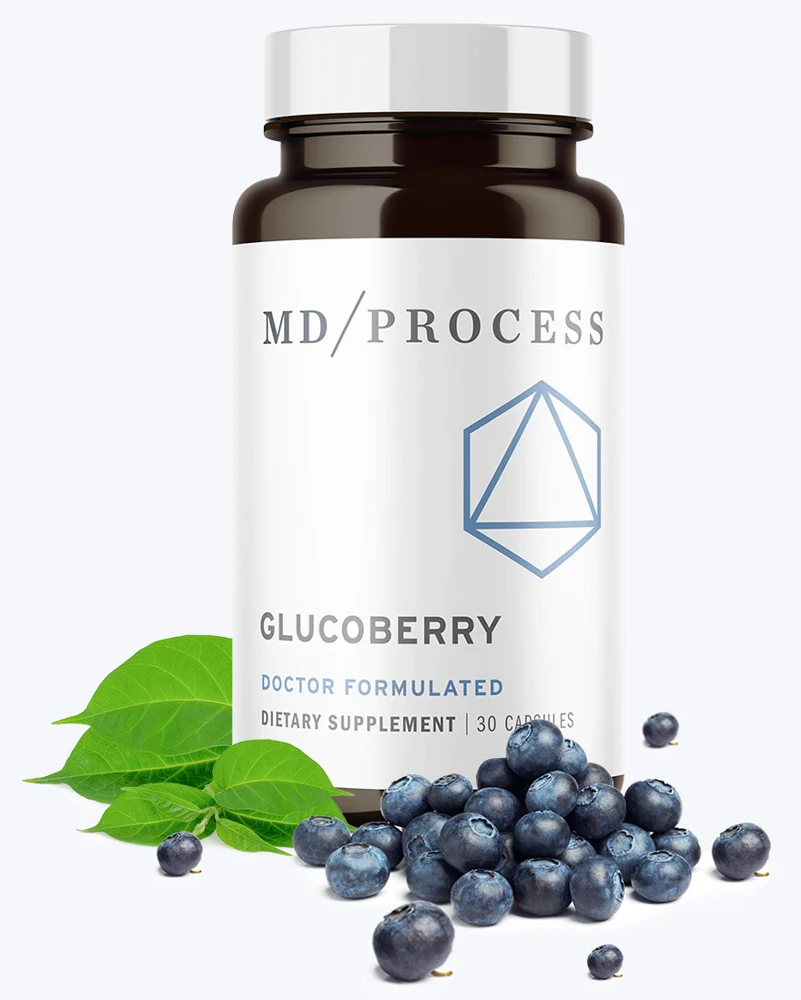
GlucoBerry
A focused blood-sugar-support capsule built around maqui berry, chromium, biotin and gymnema.
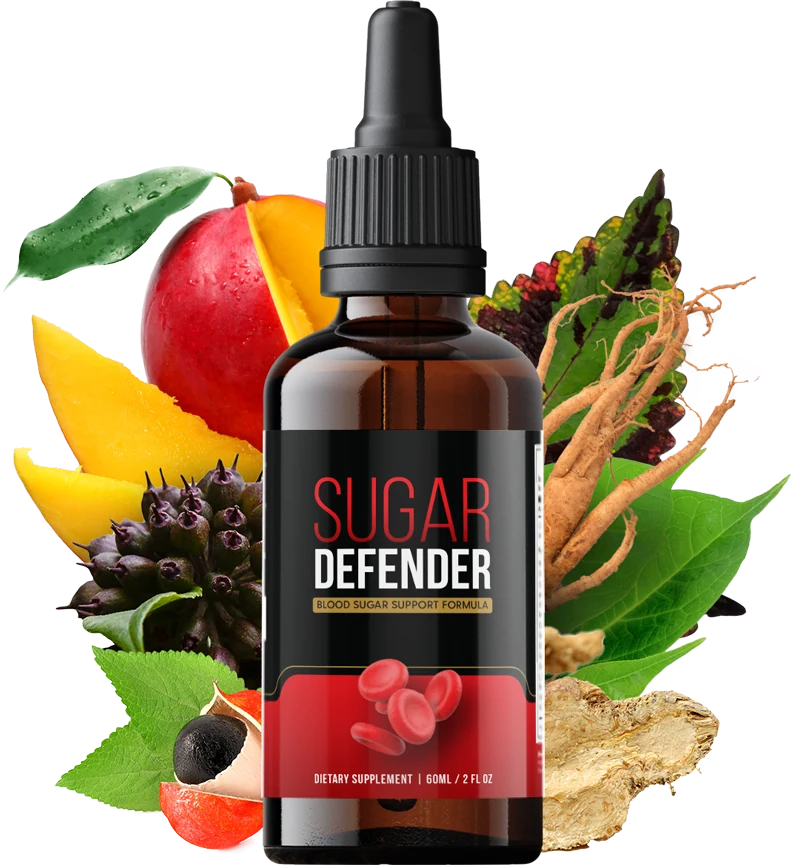
Sugar Defender
A liquid blood-sugar-support formula featuring eleuthero, gymnema, ginseng, chromium and other ingredients.